Start from a quality base
A premium theme brings what is most expensive to produce: animations and interactions already polished, tested on every screen.
Webflow, Framer, WordPress or Wix depending on who will publish and how often. Custom design, a content structure built around what you actually publish, and a recorded walkthrough session so the site lives on after delivery.
I build on these five platforms and I sell none of them. The choice is made on the discovery call, based on who will publish on the site and how often.
The most technically accomplished option: truly custom design, fast pages without stacking plugins, a simple back office. Longer to build, for sites that need to stand out.
As soon as the site has to sell physical products, a CMS is no longer enough: catalogue, payment, stock and shipping need a real e-commerce platform.
For a showcase site or a launch page with a polished design, delivered fast. Native animations and a simple editor; less comfortable when the content becomes highly structured.
Open source and the most widespread: the right choice when you already have the ecosystem, a team that knows it, or a need for an extension nothing else covers. In return, it demands real discipline with updates.
The easiest editor to get started with, suited to teams with nobody technical in-house. It holds up for a site of a few pages; it shows its limits as soon as the content structure gets more complex.
On Webflow, this is often the shortest path to a polished site: a base with already solid animations, reworked until it tells your offer as it really is.
A premium theme brings what is most expensive to produce: animations and interactions already polished, tested on every screen.
Branding, copy, sections, plans and testimonials: everything is reworked to tell the product as it is. Nothing gives away the starting theme: the site reads as an entirely custom build.
Once live, the site stays in its owner's hands: copy, offers and pages evolve from the Webflow editor, at the product's pace.
A CMS site is judged on a single question, six months after delivery: has someone on your side edited it without calling anyone?
WordPress, Wix and most CMSs limit the design to what the theme or the editor allows. Webflow gives access to everything the browser can do.
An agency that only does Webflow will always propose Webflow. I also build as code and on Shopify, so I have no reason to push you towards one rather than another.
Someone on your team needs to publish regularly without going through a developer, you want a truly custom design rather than a bought theme, and the monthly subscription over five years isn't a problem for you.
The site will hardly ever change once live. A website delivered as code then costs less to run, with no subscription to renew. Or if you need user accounts, permissions and business calculations: that is an application, not a website.
A migration in either direction is prepared the same way: content carried over, URLs kept, redirects written and tested before the switch. Leaving Webflow or WordPress is possible, and I do it without trying to talk you out of it.
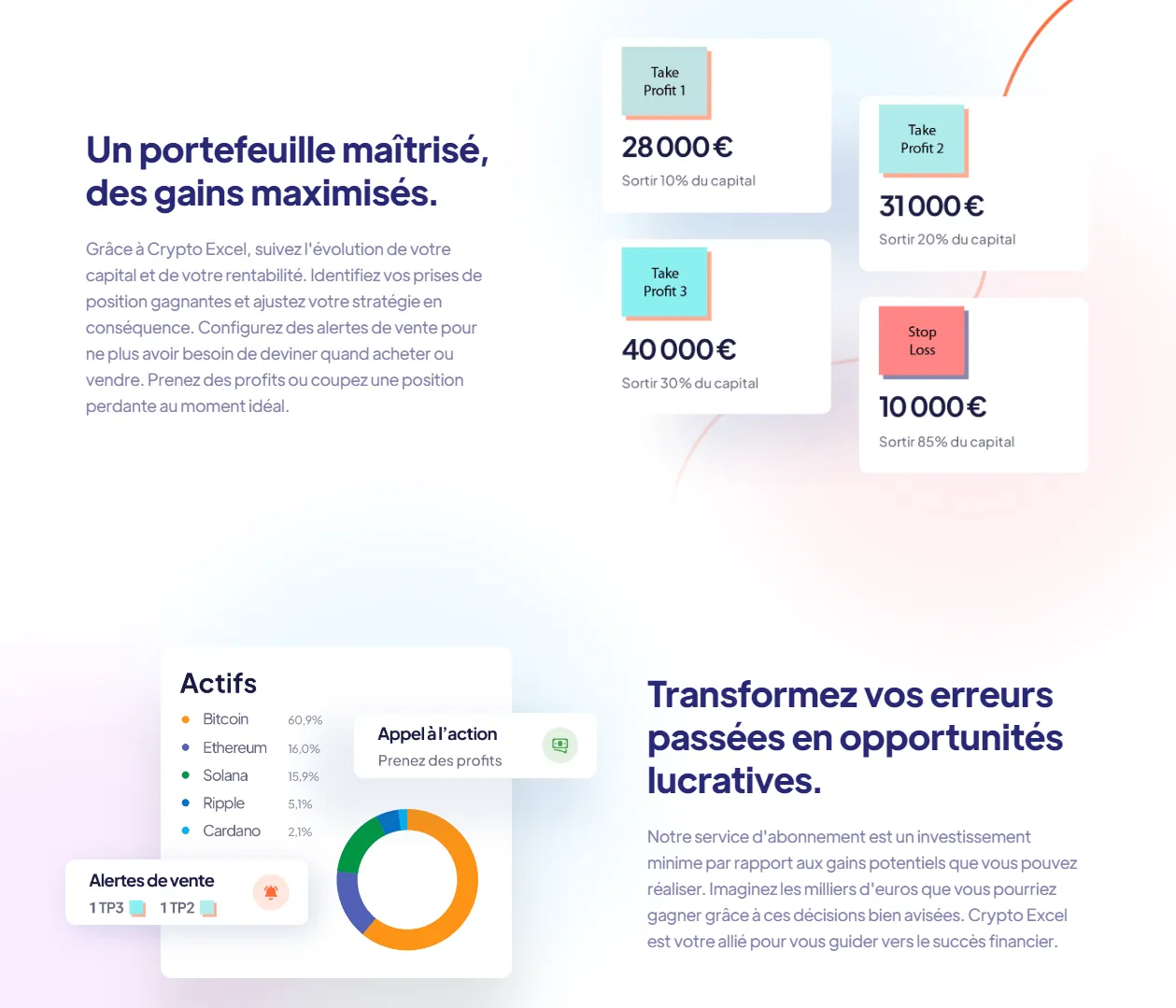
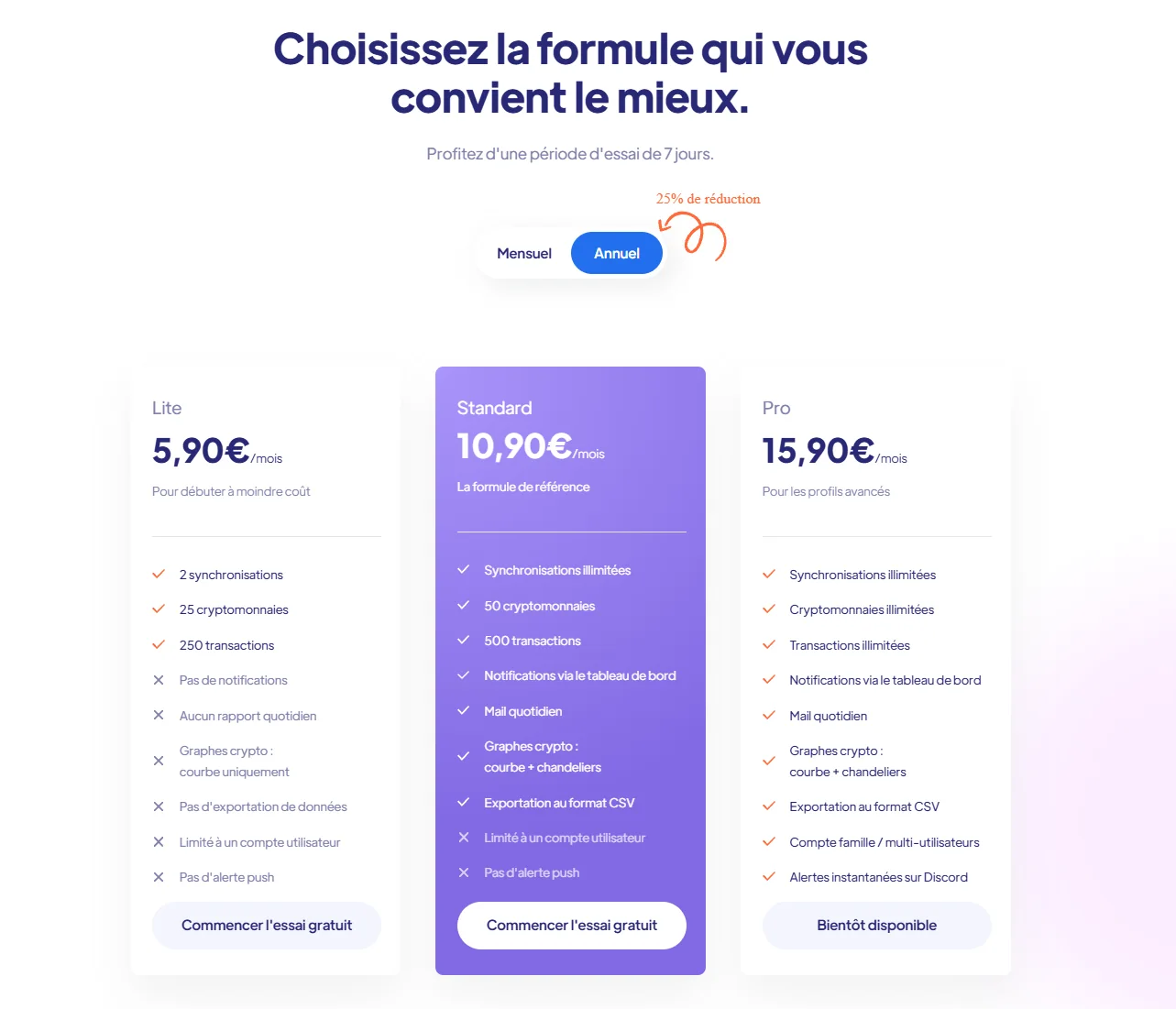
The showcase site for Crypto Excel, the cryptocurrency portfolio manager I designed and launched. Rather than starting from a blank page, the site starts from a Webflow theme with high-quality animations, then is reworked section by section.

The precise quote comes after the discovery call: the number of pages and the content structure decide the price.
A short site, on the platform you already know or that fits your budget. The right format to present a business properly and keep it up to date yourself.
Discuss itCustom design, polished animations and a content structure your team runs alone. The format for a business website that needs to stand out.
Book a callFor businesses that expect more than a website: a complete ecosystem around the CMS, connected to your sales and marketing tools, and supported over time.
Discuss itNo VAT charged: VAT exemption scheme for small businesses, art. 293 B of the French General Tax Code.
On Webflow, allow about €150 on top of the fixed price for the premium theme licence.
Will the content hardly change once live? A website delivered as code costs less to run, with no subscription.
Five questions, 20 seconds. You get the service that fits, a budget range and a timeline. No email address asked.
Take the questionnaireWebflow when the design matters and the site has to stay fast without plugins; Framer for a showcase site with a polished design, delivered fast; WordPress when you already have the ecosystem, a team that knows it or a need for specific extensions; Wix when the budget is tight and the scope simple. The choice is made on the discovery call, based on who will publish and how often, not on my preferences.
Text, images, pages, articles, case studies and team members: yes. What requires an intervention is structural change: adding a content type, changing a collection, redesigning a layout. The boundary is written in the quote so nobody discovers it afterwards.
Yes, alongside the site: sales page, order form, connected payment and email. It isn't a fixed offer, the scope is defined on the call according to your need. For a training area with accounts and progress tracking, we leave the CMS and move to a custom web application.
You do, directly to the provider, on your own account. The project is transferred to you at delivery: you keep control of billing, access and the site, and you can remove my rights whenever you want.
It is part of the project, not an option. A recorded walkthrough session and written documentation come with the site. A CMS site nobody on your side knows how to edit is a dead site within six months.
Fifteen minutes is enough to know whether we should work together. The call is free and you leave with an opinion either way.